




























West Asia Crisis: Fragile Truce Tested by Fresh Clashes as U.S.-Iran Talks Hang in the Balance

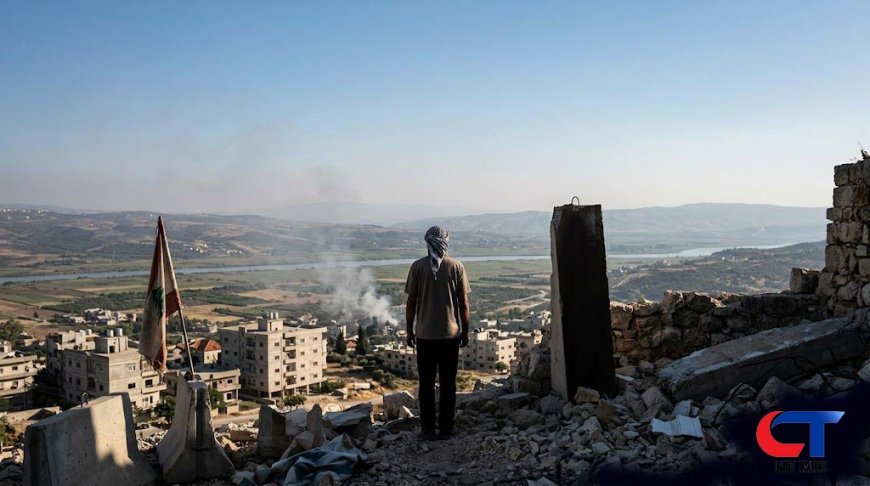
EIRUT / JERUSALEM — A high-stakes diplomatic push by the Trump administration to halt the intensifying West Asia war is facing an immediate reality check. Despite Washington's announcements of a breakthrough, cross-border violence has flared up once again, and crucial negotiations with Tehran remain frozen in a delicate holding pattern.
Here is a breakdown of where the conflict stands right now:
1. The "Truce" That Wasn’t?
U.S. President Donald Trump announced via Truth Social that Israel and Hezbollah had agreed to a mutual cessation of attacks following a "heated" phone call with Israeli Prime Minister Benjamin Netanyahu. According to reports, the deal dictated that Hezbollah would stop firing into northern Israel, while the Israeli military would cease its deep incursions and heavy bombardment of south Beirut.
However, neither side has formally accepted the terms publicly. Within hours of the announcement, the reality on the ground told a different story:
-
Renewed Strikes: Israeli drone strikes targeted southern Lebanon, killing eight people—including a dentist and his two children.
-
Evacuation Orders: The Israeli military issued urgent evacuation orders for residents of Nabatiyeh, signaling further heavy operations.
-
Retaliation: Israel’s air defenses intercepted multiple projectiles fired from Lebanon into northern Israeli territory.
2. Iran Weighs Options Cautiously
While Washington reports that talks are moving "rapidly," sources in Tehran tell a more conservative story. Iran has yet to formally respond to the final proposed text aimed at ending the hostility between the two nations.
According to sources close to the Iranian negotiating team, the delay is fueled by deep-rooted mistrust and a history of U.S. non-compliance. Tehran is reportedly reviewing the text carefully to ensure any signed agreement yields "tangible and real economic and security benefits" rather than empty promises.
Meanwhile, regional leverage remains in play. The Iranian Revolutionary Guards Navy confirmed that while 24 ships were permitted through the critical Strait of Hormuz over the last 24 hours, threats to reactivate maritime fronts near the Red Sea (Bab al-Mandab Strait) remain on the table if Israel's offensive continues.
3. Global Fallout & Political Pressure
The ongoing instability is sending shockwaves through international markets and political corridors:
-
Market Anxiety: Oil prices are fluctuating wildly, with Brent crude hovering around $95 a barrel as traders watch the status of the Strait of Hormuz.
-
International Backlash: France’s Foreign Minister Jean-Noel Barrot publicly criticized Israel’s deepest military incursion into Lebanon in two decades, stating that "nothing can justify" a prolonged Israeli occupation of Lebanese territory.
-
Capitol Hill Grilling: U.S. Secretary of State Marco Rubio is set to testify before Congress for the first time since the war began, where he is expected to face intense scrutiny over the administration's fragile and rapidly shifting diplomatic strategy.
What's Your Reaction?
 Like
0
Like
0
 Dislike
0
Dislike
0
 Love
0
Love
0
 Funny
0
Funny
0
 Angry
0
Angry
0
 Sad
0
Sad
0
 Wow
0
Wow
0